
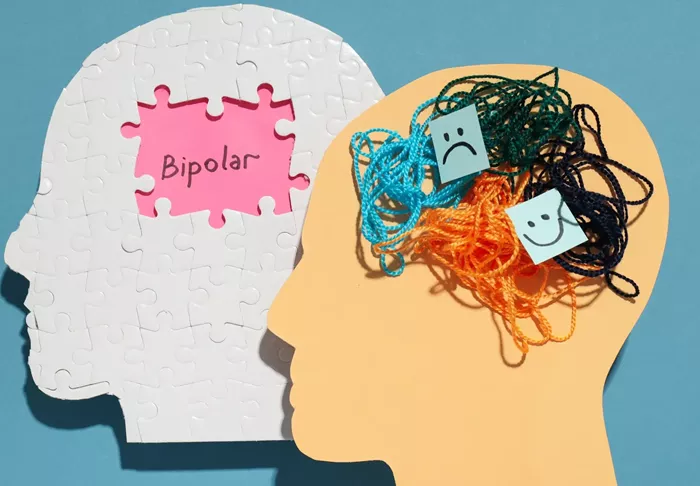
At the Southern California Psychiatry Conference in Huntington Beach, Dr. Gerald Maguire stressed the importance of distinguishing bipolar depression from major depressive disorder (MDD). This difference is crucial but can be challenging to identify.
Dr. Maguire said the best way to tell the two apart is by carefully reviewing a patient’s history. “We don’t have blood tests or biomarkers in psychiatry,” he noted, “so we rely on detailed histories from patients and sometimes their family or close contacts.” He looks for any signs of past mania, which would indicate bipolar I disorder, or hypomania, suggesting bipolar II disorder.
Certain clues can also help. If a patient worsens after taking antidepressants—becoming more agitated or energized—it might suggest bipolar depression rather than MDD. Family history plays a role too. A family background of suicide or substance abuse could point toward bipolar disorder, as people with it often self-medicate.
Dr. Maguire advises doctors to reconsider the diagnosis if usual treatments aren’t working. “If someone is on multiple antidepressants with no improvement or is getting worse, we should question whether it’s really major depressive disorder.”
Once diagnosed, treatment can be targeted. While mood stabilizers help prevent mania, options for bipolar depression are fewer. However, some FDA-approved medications specifically treat bipolar depression.
Dr. Maguire’s insights aim to improve how doctors identify and treat these complex mood disorders.
You Might Also Like
Is BPD Caused by Trauma? Revealed
