
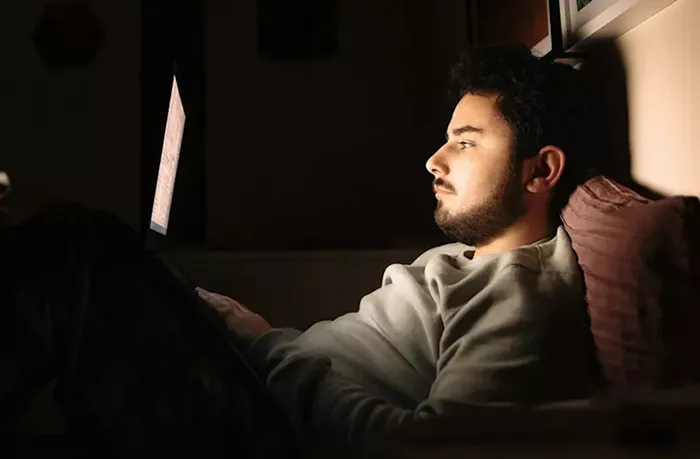
Staying up late to finish your favorite show might seem harmless, but it could be damaging your brain, a California-based brain expert has warned.
Dr. Daniel Amen, a psychiatrist and founder of Amen Clinics, says losing sleep to binge-watch TV can have serious effects on brain health. Popular programs like Peacock’s Love Island, which air almost nightly, often tempt viewers to delay bedtime. But that missed hour of sleep could come at a high cost.
“You say, ‘I just have to watch one more episode,’ and end up cutting out half an hour or more of sleep,” Dr. Amen told Fox News Digital. “That can impair your brain’s ability to function well the next day.”
Sleep Is Essential for Brain Health
According to Dr. Amen, sleep is when the brain “cleans and washes itself.” Skipping rest means this process is interrupted, leaving the brain foggy and less sharp the next day.
He advises avoiding major decisions after a night of poor sleep.
“Don’t make important decisions the next day,” he said. “Your brain has not been properly ‘washed,’ and you’re more likely to make a bad decision.”
Sleep is not just for rest — it plays a crucial role in memory, energy, focus, and blood circulation. Dr. Amen recommends going to bed just 30 minutes earlier to notice improvements in brain function the next day.
“If you want your memory better tomorrow, go to bed half an hour early tonight,” he said. “We can always record shows or watch them later.”
Choose Health Over Habit
Dr. Amen encourages people to view sleep as an act of self-care, not deprivation.
“How much do you love yourself?” he asked. “Doing the right thing is never about missing out.”
Instead of focusing on what you can’t do, Amen urges people to embrace what they want for their brain and life: energy, passion, focus, and purpose.
“You’re going to get serious about brain health when you realize what’s truly at stake,” he said.
Blue Light Before Bed Makes Sleep Worse
Amen also warned about the harmful effects of screen exposure before sleep. The blue light from devices like phones, tablets, and TVs lowers melatonin production — the hormone that makes you feel sleepy.
“Mindlessly scrolling makes you feel the fear of missing out almost immediately,” he said. “That adds stress and makes it even harder to sleep.”
To combat this, Amen recommends using blue-light filters or blockers on all devices after sunset. These tools can help the body relax and prepare for sleep.
Final Takeaway
Late-night screen time may feel fun in the moment, but it has long-term effects on brain health. Dr. Amen urges everyone to protect their brain by choosing sleep over streaming.
“Prioritizing sleep is an act of love for your brain,” he said.
You Might Also Like
Why Women Over 45 Must Know the Sleep-Heart Health Connection
Can Dairy Disrupt Your Sleep? New Study Links Cheese to Nightmares
