
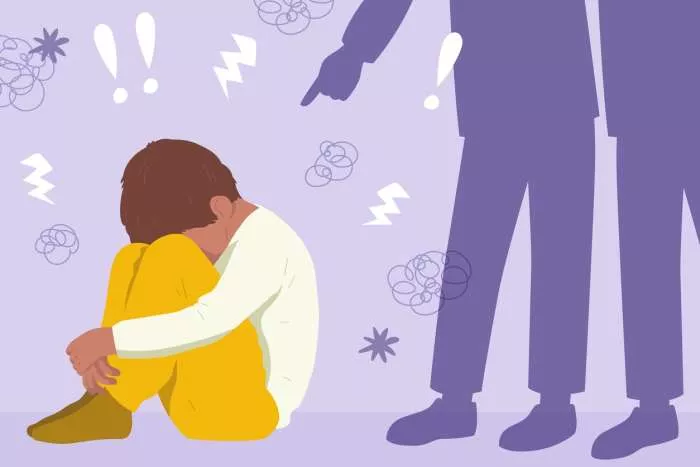
If you spend time online, you’ve probably seen the word “narcissist” used a lot—often to describe selfish or toxic behavior, especially in relationships. But narcissism doesn’t just affect romantic partners. It can deeply shape family life too, especially when it comes from a parent.
Clinical psychologist Dr. Ramani Durvasula, an expert on narcissism and author of It’s Not You, explains that growing up with a narcissistic parent can have lasting emotional effects. In an interview with TODAY.com, she broke down how to recognize this type of upbringing—and the most telling sign that someone experienced it.
What Narcissism Really Means
According to Dr. Durvasula, narcissism is a personality pattern marked by several key traits:
- A sense of superiority
- Constant need for attention and praise
- Entitlement
- Lack of empathy
- Arrogance
- Selfishness
Narcissism exists on a spectrum. Most people show some narcissistic traits at times—especially when they’re young or under stress. But a true narcissist shows these behaviors regularly, and often in a way that hurts others.
In close relationships, this may show up as manipulation, emotional invalidation, or gaslighting.
Narcissism vs. Narcissistic Personality Disorder
It’s important to know the difference between having narcissistic traits and having narcissistic personality disorder (NPD).
NPD is a diagnosable mental health condition listed in the Diagnostic and Statistical Manual of Mental Disorders (DSM-5). To be diagnosed, a person must meet at least five out of nine strict criteria, including grandiosity, lack of empathy, and a need for admiration.
However, many people who show strong narcissistic behavior never get diagnosed. That’s because narcissists rarely seek therapy, and when they do, they often fail to see how their behavior is the problem.
Dr. Durvasula points out that while only about 1–6% of people are believed to have NPD, many more show narcissistic patterns without a diagnosis.
How Narcissistic Parents Behave
When someone with narcissistic traits becomes a parent, their behavior can deeply affect their child’s development and mental health.
“The narcissistic parent doesn’t see their child as a separate person,” says Dr. Durvasula. “They see them as an extension of themselves.”
This can lead to many harmful parenting habits, such as:
- Using children to boost their own self-image
- Putting their needs before the child’s
- Dismissing or ignoring the child’s emotions
- Expecting perfection
- Obsessing over how the family looks to others
- Not respecting boundaries
- Giving affection only when the child meets certain standards
These parents often guilt-trip their kids, manipulate them emotionally, or try to control their behavior through praise and punishment.
Even when the home appears picture-perfect—nice holidays, well-decorated houses, smiling family photos—there’s often a deep emotional emptiness beneath the surface.
Emotional Effects on the Child
Children of narcissists often grow up feeling like their only job is to please the parent. If they express their own wants, needs, or emotions, they may be told they’re selfish or ungrateful.
Many grow up with deep anxiety, especially if their parent reacted to mistakes with yelling or silence. Some children are made scapegoats for family problems, while others are set against their siblings.
The parent may also be inconsistent—mostly cold or critical, but occasionally warm and kind. This creates confusion, as the child clings to rare moments of love and approval.
The No. 1 Sign You Were Raised by a Narcissist
So how can you tell if you were raised by a narcissistic parent?
According to Dr. Durvasula, the biggest sign is a constant, nagging feeling of not being good enough.
You may feel like you’re never doing enough, never trying hard enough, or never giving enough. This belief becomes the guiding force in your life.
This mindset can lead to:
- Perfectionism
- Shame and self-doubt
- Imposter syndrome
- Fear of failure
- People-pleasing and codependency
Even in adulthood, you may find it hard to express your needs or ask for help. You may worry that speaking up will upset others, ruin relationships, or make people think you’re too emotional.
“You think, ‘If I ask for more, people will leave. If I speak up, I’ll be punished,’” says Dr. Durvasula.
What to Do If You Suspect Your Parent Is a Narcissist
First, it’s important to speak with a mental health professional who can help you sort through your feelings.
Dr. Durvasula says one key step is simply recognizing that what happened to you was real—and that it hurt. Even if your parent had a hard life themselves, their behavior may have caused serious harm.
Healing from a narcissistic parent may involve:
- Therapy
- Support groups
- Setting boundaries
- Making lifestyle changes
Some people may choose to limit contact or avoid their parent altogether. Others may continue a relationship but use new strategies to protect themselves.
One helpful trick Dr.
Durvasula suggests is something she calls narcissist bingo. Before seeing the parent, write down the things they usually say or do—criticisms, guilt-trips, or gaslighting comments. Then track how many “bingo squares” they hit. If they reach a certain number, take a break or walk away to calm yourself.
“Go to the restroom, step outside, do what you need to regulate yourself,” she advises.
Conclusion
Growing up with a narcissistic parent can leave deep emotional scars. But understanding what happened is the first step toward healing.
While you may never get an apology, and the parent may never change, you can still take back your power. With the right support and tools, it’s possible to feel whole, seen, and enough—just as you are.
READ MORE
