
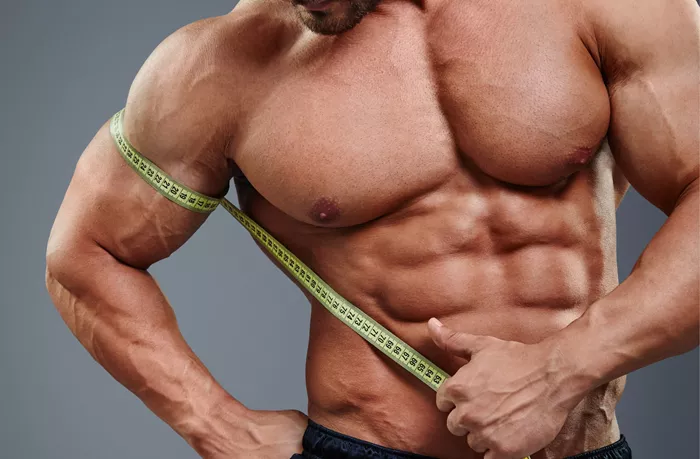
Many men work on building their biceps to look more muscular or to increase strength and fitness. When we picture a strong upper body, we often imagine large biceps, broad shoulders, and defined chest muscles. But did you know bicep size can also say something about your long-term health?
Bicep exercises are a key part of many strength training routines. Sticking to arm workouts and upper body training not only helps you look stronger, but science shows it helps you build real muscle mass. While not everyone can have arms like Arnold Schwarzenegger in his prime, understanding average bicep size is a good way to track your own progress.
What’s the Average Bicep Size for Men?
A large health study from the CDC’s National Health and Nutrition Examination Survey looked at 19,151 people to find out the average bicep size for men in different age groups. The study measured mid-arm circumference, which is the widest part of the upper arm.
Here are the results:
| Age Group | Average Bicep Size |
|---|---|
| 20–29 years | 32.3 cm (12.7 in) |
| 30–39 years | 33.0 cm (13.0 in) |
| 40–49 years | 33.3 cm (13.1 in) |
| 50–59 years | 33.2 cm (13.1 in) |
| 60–69 years | 32.8 cm (12.9 in) |
| 70–79 years | 31.8 cm (12.5 in) |
| 80+ years | 30.7 cm (12.1 in) |
As men age, bicep size tends to decrease slightly. This change is a normal part of aging, but maintaining strength through resistance training can help slow down the decline.
Why Bigger Biceps Can Benefit Your Health
Building bigger biceps isn’t just about looking fit. According to research from the National Institutes of Health (NIH), maintaining muscle mass is linked to a longer and healthier life.
Muscle plays an important role in the body’s metabolism. It helps regulate insulin sensitivity, which affects your risk for type 2 diabetes and other health problems. Having more muscle can also help your body burn more calories, even at rest.
A major study involving nearly 900,000 people found that individuals with smaller upper arms had a higher risk of dying from a wide range of causes. This suggests that upper arm size — specifically muscle mass — could be a simple but powerful sign of overall health.
Arm Size as a Health Indicator
The researchers behind the study concluded that arm circumference is one of the most reliable and accessible ways to measure muscle health in the general population. This makes sense — it’s easy to measure, and it directly reflects how much muscle someone has in their upper arm.
So while doing bicep curls might seem like a simple part of a workout, it could have real benefits beyond strength and appearance. Larger biceps could mean better metabolic health, lower disease risk, and even a longer lifespan.
Whether you’re training for looks or long-term health, don’t skip those upper body sessions — your future self may thank you.
Read more:
