
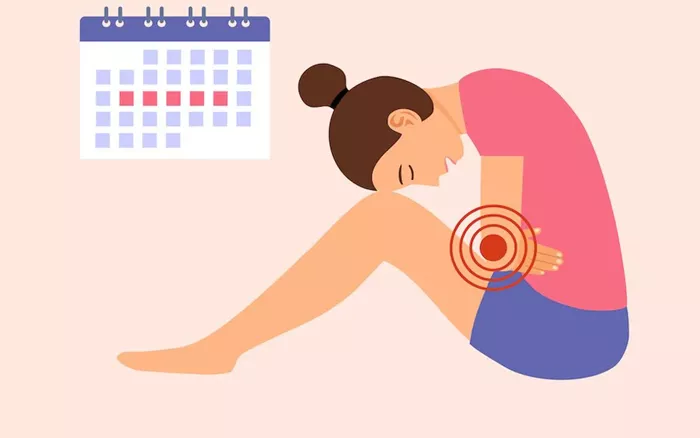
A new study has revealed a strong connection between stress and menstrual pain among adolescent girls in China. Conducted in Shenzhen, the research found that teens who struggle to cope with stress are significantly more likely to experience primary dysmenorrhea—a condition marked by painful periods without underlying pelvic diseases.
The study, which surveyed 1,449 girls aged 10 to 19, found that 72% reported symptoms of dysmenorrhea. Researchers used questionnaires covering menstrual patterns, diet, sleep habits, and stress levels.
The data showed that girls with moderate stress coping difficulties were 1.66 times more likely to suffer from painful periods, while those with severe difficulties had 1.97 times higher odds, even after accounting for other health and family history factors.
Widespread Pain, Under-Discussed Stress
Dysmenorrhea is the most common gynecological issue among adolescents, affecting up to 80% of school-aged girls in China. Despite its prevalence, the study highlights that the role of stress—especially how well teens handle it—has been underexplored.
“Stress isn’t just emotional. It impacts the body’s hormone system, especially during adolescence,” the authors explain. They refer to the hypothalamic–pituitary–adrenal (HPA) axis, which regulates stress responses. When this system is overworked, it can disrupt reproductive health and increase menstrual pain.
A Methodical Look at Stress and Period Pain
Researchers used a stratified cluster sampling method to choose participants from different schools and grade levels across urban Shenzhen. They targeted girls in Grade 8 (middle school) and Grades 10 and 11 (high school), groups most vulnerable to stress due to puberty and academic pressures.
Participants completed a self-reported questionnaire, with trained staff available for help. The short version of the Perceived Stress Scale (PSS-4) was used to assess how difficult the students found managing stress in daily life.
Exclusions were made for those who hadn’t yet had their first period or had known gynecological conditions like endometriosis. In total, 1,530 valid responses were collected, with 1,449 ultimately included in the analysis.
Stress Not the Only Risk Factor
The study didn’t stop at stress. It also confirmed links between dysmenorrhea and other factors, such as:
- Shorter menstrual cycles
- Less sleep
- Poor diet
- Family history of period pain
However, coping with stress stood out. Even after adjusting for these other variables, the relationship between stress difficulty and dysmenorrhea remained significant.
A Call for Mental Health in Period Care
The researchers emphasized that their findings suggest stress management should be part of menstrual health programs. They argue that schools and parents need to recognize stress as a real risk factor—not just for mental health but for physical pain as well.
“Helping adolescents build better coping skills might reduce their chances of developing severe menstrual symptoms,” the report concluded.
Why Shenzhen?
Shenzhen, a fast-developing city with a diverse population, provided a unique setting. With varying socio-economic backgrounds and high academic expectations, adolescents here face distinct stressors that may not reflect other regions in China. The researchers aimed to better understand these local dynamics and fill the gap in existing literature.
This study contributes fresh data and insights to a field where adolescent mental health and menstrual well-being are often addressed separately. The findings suggest a more integrated approach is urgently needed.
