
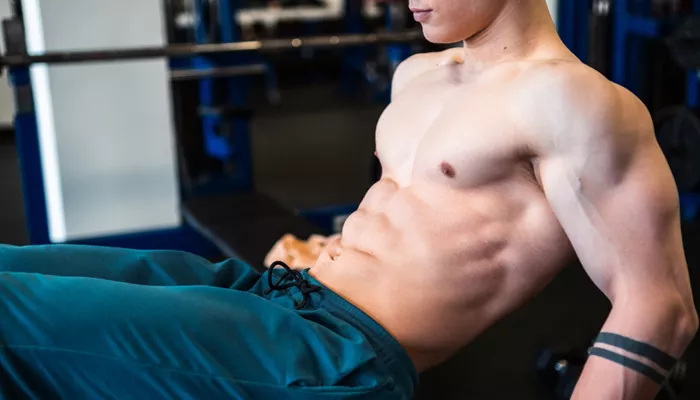
A London-based bank worker in his early 40s completely transformed his physique by making two small changes to his diet and following one key workout principle.
Alec Knebeg, 41, said that after years of going to the gym without seeing much progress, he finally began to notice real results. His success came after he began tracking what he ate and using a more focused workout strategy.
“I was going to the gym for years, but I wasn’t seeing the changes I wanted,” Knebeg told Business Insider. “I was just going through the motions and not getting anywhere.”
Earlier this year, Knebeg teamed up with personal trainer Adam Enaz, who specializes in helping men reshape their bodies. With Enaz’s guidance, he revamped both his exercise routine and his eating habits. The results came quickly.
He Focused on Lifting Heavier and Tracking Progress
The first major shift in Knebeg’s routine came from learning a key training method called progressive overload. This technique involves gradually increasing the weight or intensity of exercises to keep challenging the muscles and encouraging growth.
In the past, Knebeg admitted to avoiding heavy weights. “If something was too heavy, I’d just skip it,” he said. But with Enaz’s help, he began tracking each session, aiming to lift heavier over time and push closer to muscle failure — the point at which the body can’t perform another rep with good form.
This small change led to major results. Research shows that training close to failure can lead to more muscle growth, especially when done consistently.
Most people don’t push themselves hard enough, Enaz said. “What most people think is failure is actually about 20% short,” he explained. “You don’t really push that far unless you’re working with a personal trainer.”
Knebeg now trains three to four times a week for about an hour per session. He starts with a quick cardio warmup, followed by six to eight exercises. He also uses supersets, doing two exercises back-to-back without resting in between, to save time and increase intensity.
He switched from a “split” training program — where each workout targets one body part — to full-body workouts. That change gave him more energy and helped him push harder.
“I’ve been able to lift things I never thought I could,” he said. “It’s been really motivating to see what my body can actually do.”
Smarter Eating Helped Burn Fat and Build Muscle
Knebeg also made simple but powerful changes to his diet. Before working with Enaz, he didn’t track how much he was eating and would often go back for second helpings without thinking about it.
Now, he sticks to a calorie deficit — eating fewer calories than he burns — and has a daily protein goal. This helps him keep muscle while losing fat.
Just by becoming more mindful of portion sizes and meal planning, Knebeg was able to make steady progress.
How to Know If Your Workouts Are Working
Trainer Adam Enaz says many people don’t see results because they aren’t pushing themselves hard enough — or they’re not tracking their progress. He shared a few signs that can show if a workout is effective:
The weights slow down during a set. If your reps start getting slower, it means your muscles are under tension and working hard.
You struggle to finish the last rep — but keep good form. If you stop as soon as the exercise feels hard, you may be missing out on growth.
Your workout log shows progress. Over time, you should be lifting more weight, doing more reps, or adding sets. If you’re not tracking, it’s hard to know if you’re improving.
Keeping a workout log helps you set goals, stay motivated, and know when to push harder. It was a key part of Knebeg’s transformation.
Conclusion
With just three focused changes — lifting heavier, tracking workouts, and eating smarter — Alec Knebeg achieved the muscle gains he had long been chasing. His story shows that a few clear, consistent habits can make all the difference when trying to get fit.
