
People living with serious mental illnesses face a heightened risk of developing significant oral health problems—an issue that often goes unrecognized but has major consequences for both physical and mental health.
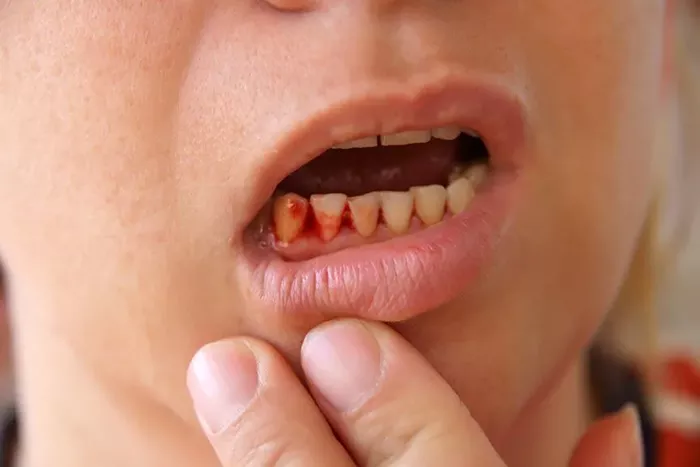
A growing body of research shows that individuals with conditions such as schizophrenia, bipolar disorder, and major depressive disorder are far more likely to suffer from gum disease, tooth decay, and complete tooth loss than the general population.
For example, people with serious mental illness are four times more likely to develop gum disease and nearly three times more likely to lose all their teeth.
These dental challenges are more than cosmetic—they affect nutrition, communication, confidence, and quality of life. People with schizophrenia, on average, have eight more decayed, missing, or filled teeth compared to others.
Poor oral health can also worsen chronic physical conditions such as heart disease, diabetes, and even cognitive decline due to systemic inflammation triggered by oral bacteria.
Beyond biology, there’s a complex web of social and psychological factors at play. Individuals with mental illness are more likely to experience unemployment, housing instability, and social isolation—each of which increases the risk of poor dental health. Simultaneously, dental disease can worsen mental health by lowering self-esteem and adding barriers to employment and social engagement.
Many mental health symptoms—like low energy, anxiety, or trauma—can make it difficult to maintain oral hygiene or seek dental care. On top of that, medications for mental health conditions often cause dry mouth or increased sugar cravings, which further increase the risk of dental issues.
In interviews with young people living with mental illness, participants described feeling ashamed to smile or eat in front of others, and fearful of judgment from dental professionals. One participant highlighted the emotional toll of trying to explain their struggle with depression to a dentist questioning their oral hygiene habits.
But there is hope. A recent pilot study found that a simple online oral health education program improved dental awareness and attitudes among young people with mental health conditions. The findings support the need for integrated health care strategies—where dental care is not seen as separate from mental health care.
To address this gap, experts recommend expanding Medicare coverage to include dental services, equipping mental health professionals to screen for oral health concerns, and training dentists to support patients with mental illness in trauma-informed, compassionate ways.
A truly holistic approach to health care must recognize the vital link between the mouth and the mind. Improving oral health is not just about saving teeth—it’s about restoring confidence, dignity, and overall well-being for some of society’s most vulnerable individuals.
Related topics:
