
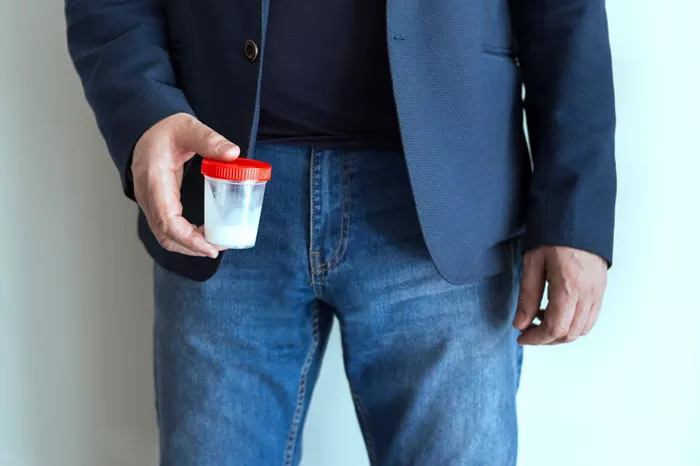
Male fertility issues are more common than many think, contributing to nearly 50% of all infertility cases. Yet many men hesitate to visit a clinic due to stigma, time constraints, or cost. That’s where at-home fertility tests come in—simple, private, and surprisingly insightful. These kits provide a practical starting point to assess reproductive health, especially for couples trying to conceive. If you’re wondering how to get started, this guide breaks it down clearly and practically.
What Can an At-Home Male Fertility Test Check?
Most home kits focus on sperm count—specifically whether it falls within a normal range. Some advanced kits go further to evaluate:
-
- Sperm motility (movement)
- Sperm morphology (shape)
Seminal volume and concentration
- pH levels or DNA fragmentation (with specialized kits)
While they can’t replace a full lab analysis, they can help you identify if a medical consultation is necessary.
Types of At-Home Male Fertility Tests
1. Visual-Based Kits (Color Change)
These tests use a colorimetric method to detect sperm count. After collecting a sample, you apply it to a testing slide. If the sperm count is normal, the solution changes color. Results are usually ready in 10–15 minutes. Popular brands include SpermCheck.
2. Smartphone-Based Kits
These kits use your phone’s camera and a companion app to analyze sperm motility and count. You insert your sample into a small microscope attachment, and the app analyzes the movement. Examples include YO Home Sperm Test and ExSeed Health.
3. Lab-Shipped Kits
Some kits let you collect your sample at home and send it to a lab for comprehensive analysis. These provide lab-grade reports on sperm quality and DNA fragmentation. Brands like Legacy and Fellow offer these services with detailed breakdowns and optional telehealth consultations.
Step-By-Step Guide: How to Use a Home Fertility Test
1. Choose Your Kit
Pick a test that suits your comfort level and information needs. For basic screening, color-change or smartphone-based kits are fine. For more detailed results, opt for lab-based kits.
2. Follow Pre-Test Instructions
Abstain from ejaculation for 2–7 days before testing. Avoid alcohol, heat exposure (like hot tubs), and medications that may affect sperm quality.
3. Collect the Sample
Use the sterile container provided. Make sure to capture the entire ejaculation. Avoid using lubricants unless they’re fertility-safe.
4. Test the Sample
Depending on the kit type, you’ll either:
- Apply a drop to a slide and observe color changes
- Place the sample in a smartphone attachment
- Seal it and ship to a lab with prepaid packaging
5. Read the Results
Some kits give immediate yes/no or low/normal results. Others (especially lab-based) give you detailed readings within 24–72 hours online.
How Accurate Are At-Home Male Fertility Tests?
Many are FDA-approved and offer over 95% accuracy for sperm count. But they still have limits:
- They don’t test for all fertility parameters (like hormones)
- They can’t diagnose underlying causes (e.g., varicocele, infections)
- Improper sample collection can affect results
If your result is abnormal, it’s best to follow up with a fertility specialist.
When to Take an At-Home Fertility Test
Consider testing if:
- You’ve been trying to conceive for 6–12 months with no success
- You’ve had surgeries or injuries near the testicles
- You have chronic conditions like diabetes or low testosterone
- You’re planning to freeze sperm for later use
What To Do If the Test Indicates Low Fertility
If the test shows low sperm count or motility:
- Repeat the test after 1–2 weeks to confirm
- Book a urologist or fertility clinic appointment
- Consider lifestyle changes—quit smoking, reduce alcohol, manage weight, and avoid overheating the groin area
In some cases, medications or surgical intervention may help.
How Much Do Home Fertility Tests Cost?
Here’s a rough price guide:
- Basic visual kits: $30–$50
- Smartphone kits: $60–$100
- Lab-analyzed kits: $150–$400
Some brands offer subscription plans or bundles if you’re testing more than once.
Is Privacy Guaranteed?
Yes. Reputable companies ensure discreet shipping and secure online portals. Lab-based kits often use anonymized tracking codes to protect identity.
Tips to Improve Your Fertility While Testing
- Maintain a healthy weight and balanced diet (zinc, selenium, folate help)
- Exercise regularly but avoid excessive cycling
- Sleep well—quality sleep boosts testosterone
- Stay cool—avoid saunas and tight underwear
When to Seek Professional Help
If your home tests consistently show abnormal results, or you have additional symptoms like pain or erectile dysfunction, see a reproductive specialist. A full semen analysis, hormone panel, and physical exam may be required for accurate diagnosis.
Final Thoughts
At-home male fertility tests are an empowering first step in reproductive health. They offer a private, easy, and often accurate way to understand your sperm health—on your own terms. While not a replacement for professional diagnosis, they’re a smart move for any man who wants clarity, confidence, and control over his fertility future.
High-Profile FAQs
1. Can I trust the results of an at-home sperm test?
Yes, most FDA-cleared kits are reliable for assessing sperm count and motility. However, confirm abnormal results with a lab or doctor.
2. How often should I take the test?
Every 2–3 months if you’re making lifestyle changes or undergoing treatment. Sperm health fluctuates based on diet, stress, and health.
3. Can I improve my results naturally?
Absolutely. Improving sleep, reducing stress, avoiding heat, and taking supplements like CoQ10 or zinc can enhance sperm quality over time.
Related topics:
