
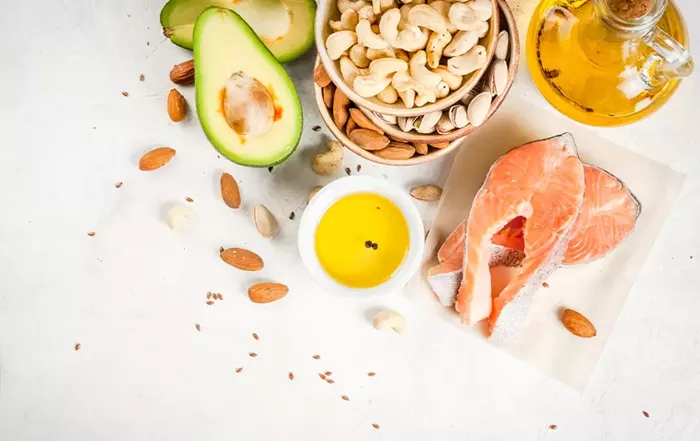
Male fertility depends heavily on sperm count and motility—the ability of sperm to swim efficiently towards an egg. Many men face challenges with these parameters, but thankfully, nutrition offers a natural, accessible way to boost reproductive health. The right foods provide essential vitamins, minerals, and antioxidants that nurture sperm production, improve quality, and protect against damage from oxidative stress.
This comprehensive guide dives deep into the top 15 foods scientifically linked to increasing sperm count and motility, with practical tips on how to include them in your daily routine for lasting benefits.
Understanding Sperm Count and Motility
Sperm count is the number of sperm present in a given amount of semen, while motility refers to the movement capabilities of sperm, especially their speed and ability to navigate through the female reproductive tract. Both factors are critical for natural conception. Low sperm count (oligospermia) or poor motility (asthenozoospermia) can severely reduce fertility. Nutritional deficiencies and lifestyle factors often contribute to these problems, making diet a powerful tool to improve sperm health.
Top 15 Foods To Increase Sperm Count and Motility
Antioxidants, vitamins like C, E, D, folate, and minerals such as zinc and selenium are fundamental to sperm production and protection. They combat free radicals that damage sperm DNA, improve hormone balance, and support cell repair and growth. Additionally, healthy fats, especially omega-3 fatty acids, improve sperm membrane fluidity, essential for motility.
1. Walnuts: Nature’s Fertility Booster
Walnuts are a rich source of omega-3 fatty acids, vitamin E, and antioxidants. Studies show men who consume walnuts daily experience improvements in sperm vitality, motility, and morphology. The antioxidants reduce oxidative damage, helping sperm maintain their structure and function. Eating a small handful (about 1 ounce) of walnuts daily can produce noticeable effects within a few months.
2. Spinach: Folate and Magnesium Powerhouse
Spinach is packed with folate, a B-vitamin crucial for DNA synthesis and cell division, which directly influences sperm count. Magnesium, also abundant in spinach, supports testosterone production and muscle function, indirectly aiding fertility. Adding fresh or cooked spinach to meals is an easy way to boost these nutrients.
3. Oysters: Zinc-Rich Fertility Food
Oysters contain more zinc per serving than almost any other food. Zinc is essential for sperm production, testosterone metabolism, and maintaining sperm motility. Zinc deficiency can result in lower sperm counts and poor motility, so including oysters regularly—if you enjoy seafood—can be highly beneficial.
4. Dark Chocolate: L-Arginine and Antioxidants
Dark chocolate contains the amino acid L-arginine, known to increase sperm count and improve motility by enhancing blood flow and nitric oxide production. It also offers antioxidants that protect sperm from oxidative stress. Choose chocolate with at least 70% cocoa to maximize benefits, but consume in moderation to avoid excess sugar.
5. Tomatoes: Rich in Lycopene
Tomatoes are a prime source of lycopene, a potent antioxidant shown to improve sperm motility and morphology. Lycopene protects sperm DNA from damage and enhances overall semen quality. Cooked tomatoes or tomato sauce increase lycopene bioavailability, making tomato-based dishes an excellent choice for fertility-friendly meals.
6. Eggs: Vitamin E and Protein Boost
Eggs provide high-quality protein and vitamin E, which act as antioxidants protecting sperm cells from damage. Vitamin E also helps maintain sperm membrane integrity, essential for motility and fertilization ability. Including eggs regularly can support overall sperm health.
7. Pomegranate: Antioxidant-Rich Fruit
Pomegranate juice and seeds are loaded with antioxidants that reduce oxidative stress in sperm cells. Clinical studies have shown that men consuming pomegranate extract experienced increased sperm count and motility. Incorporate fresh pomegranate seeds into salads or enjoy a glass of juice daily.
8. Garlic: Selenium and Vitamin B6
Garlic contains selenium and vitamin B6, both of which promote healthy sperm production. Selenium acts as a powerful antioxidant, enhancing sperm motility and protecting against DNA damage. Vitamin B6 helps regulate hormone levels. Adding garlic to cooking regularly is a simple way to benefit from these nutrients.
9. Bananas: Enzymes and Vitamins for Fertility
Bananas contain bromelain, an enzyme that may improve sperm motility and reduce inflammation. They are also rich in vitamins A, B1, and C, all essential for healthy sperm production and protection. A banana a day can be an easy, natural fertility booster.
10. Pumpkin Seeds: Zinc and Omega-3 Fatty Acids
Pumpkin seeds are nutrient-dense, offering high amounts of zinc and omega-3 fatty acids. These nutrients support testosterone levels and improve sperm count and motility. Snack on a handful of pumpkin seeds or add them to yogurt and salads for a fertility-friendly crunch.
11. Asparagus: Vitamin C and Folate Source
Asparagus is rich in vitamin C and folate, antioxidants that reduce sperm DNA damage and improve sperm quality. The vitamin C also protects sperm from oxidative stress and enhances motility. Steam or grill asparagus as a tasty side dish regularly.
12. Blueberries: Antioxidant Powerhouse
Blueberries are renowned for their high antioxidant content, including vitamin C and flavonoids. These compounds shield sperm from oxidative stress, improving motility and reducing DNA fragmentation. Enjoy blueberries fresh or in smoothies to help safeguard your sperm health.
13. Brazil Nuts: Selenium King
Brazil nuts are among the richest dietary sources of selenium. Selenium deficiency has been linked to poor sperm motility and abnormal sperm morphology. Just 2-3 Brazil nuts daily provide enough selenium to support sperm health, making them a simple and effective addition.
14. Olive Oil: Healthy Fats for Fertility
Replacing saturated and trans fats with healthy fats like those in olive oil can reduce inflammation and oxidative stress, enhancing sperm quality. Olive oil’s monounsaturated fats support hormone production and improve blood flow, essential for reproductive function.
15. Carrots: Beta-Carotene and Vitamin A
Carrots provide beta-carotene, a precursor to vitamin A, vital for sperm production and motility. Vitamin A also supports healthy cell growth and immune function. Adding raw or cooked carrots to meals can improve your overall nutritional profile for fertility.
How to Make These Foods a Regular Part of Your Diet
Building a sperm-boosting diet doesn’t mean a complete overhaul. Simple swaps and additions make a big difference. Start your day with oatmeal topped with walnuts and blueberries, add spinach or asparagus to your lunch, snack on pumpkin seeds or Brazil nuts, and cook with olive oil and garlic. Variety and consistency over weeks and months will help you see improvements.
Additional Tips for Enhancing Sperm Health
- Maintain a healthy weight: Excess fat can reduce testosterone and sperm quality.
- Avoid smoking and limit alcohol: Both can impair sperm production and motility.
- Manage stress: High stress elevates cortisol, which negatively affects fertility.
- Exercise regularly: Moderate physical activity supports hormonal balance and blood flow.
- Minimize exposure to heat and toxins: Avoid hot tubs, tight underwear, and harmful chemicals.
Frequently Asked Questions
1. How soon can diet changes improve sperm count and motility?
Sperm development takes approximately 74 days, so dietary improvements typically need about 2 to 3 months to show measurable effects. Patience and consistency are key.
2. Can these foods alone guarantee improved fertility?
While these foods provide essential nutrients that support sperm health, fertility is influenced by many factors including genetics, lifestyle, and medical conditions. A balanced diet combined with healthy habits yields the best results.
3. Are supplements necessary if I eat these foods?
Whole foods offer a complex mix of nutrients that supplements may not fully replicate. Supplements can help if you have deficiencies, but prioritizing a varied, nutrient-rich diet is generally more effective.
Read more:
