
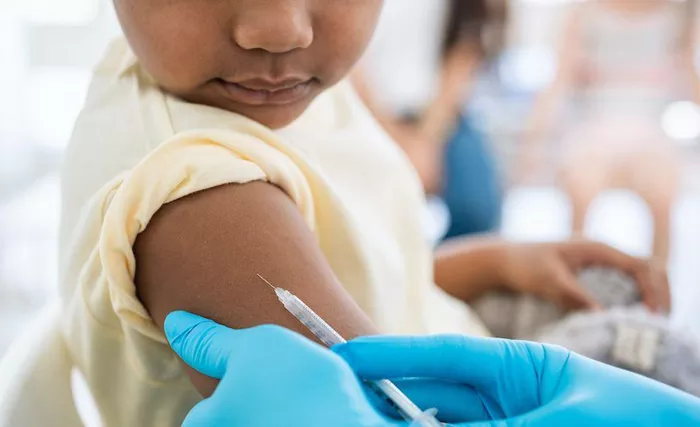
A major new global study has found that childhood vaccination rates are falling in many parts of the world, putting millions of children at risk of deadly but preventable diseases.
Published in The Lancet, the study reviewed vaccine coverage for 11 critical childhood immunizations—including those for measles, polio, diphtheria, and tetanus—in 204 countries and territories. Researchers found that while vaccination rates rose steadily from 1980 to 2010, progress has since stalled or reversed in many regions.
The causes of the decline include growing vaccine hesitancy, unequal healthcare access, and lingering impacts of the COVID-19 pandemic. Researchers warn that unless these trends are reversed, global health goals for 2030 will not be met.
Millions of Children Missing Basic Vaccines
According to the study, an estimated 16 million children around the world have never received even a single vaccine. Over half of these children live in just eight countries: Nigeria, India, the Democratic Republic of Congo, Ethiopia, Somalia, Sudan, Indonesia, and Brazil.
Importantly, this is not just an issue in low-income countries. In fact, 21 of the world’s 36 high-income nations also saw vaccination rates fall since 2010—often due to increasing public scepticism toward vaccines.
For example, in the UK, measles vaccination rates for children under five have dropped to just 85%, the lowest since the 1990s. Among pregnant women, whooping cough vaccination also declined, from 70% in 2017 to just 58% in 2023.
Global Measles Coverage Is Slipping
Measles, one of the most contagious diseases, has seen a worrying decline in vaccine coverage. Since 2010, 100 of the 204 countries studied have recorded lower rates of measles vaccination.
In Latin America and the Caribbean, coverage fell from 90% in 2010 to 87% in 2019—leaving nearly one million additional children unprotected.
The global health community points to the pandemic as a key disruptor. From 2020 to 2023, an estimated 15.6 million children missed full doses of the diphtheria-tetanus-pertussis (DTP) or measles vaccines. Additionally, 15.9 million missed polio shots, and 9.18 million missed tuberculosis vaccines.
Disease Outbreaks Are On the Rise
The decline in vaccinations has already led to a surge in outbreaks of preventable diseases.
In 2024, Pakistan and Afghanistan reported 74 and 23 cases of wild polio virus, respectively—a dramatic increase from the year before. Papua New Guinea is now facing its first polio outbreak since 2018.
In the European Union, measles cases surged from just under 4,000 in 2023 to over 32,000 in 2024. In the U.S., southern states have already recorded more than 1,000 measles cases and two deaths in 2025—more than the total number of cases reported in all of 2024.
Experts Call for Urgent Global Action
The study’s authors warn that without “transformational improvements,” global immunization targets set by the World Health Organization (WHO) for 2030 will not be reached. These targets aim to have at least 90% of children fully vaccinated against measles, diphtheria, tetanus, whooping cough, and pneumococcal disease.
“Routine childhood vaccinations are among the most powerful and cost-effective public health interventions available,” said Dr. Jonathan Mosser of the Institute for Health Metrics and Evaluation at the University of Washington, one of the study’s senior authors.
He noted that while major strides have been made over the past 50 years, persistent inequalities, misinformation, and the effects of COVID-19 have stalled progress.
“These trends increase the risk of outbreaks of vaccine-preventable diseases… We must improve access, build trust, and strengthen healthcare systems, especially for vulnerable communities,” Dr. Mosser added.
Gavi Summit Seeks Global Funding Boost
The study’s findings were released just ahead of a major fundraising summit hosted by Gavi, the Vaccine Alliance. Gavi works to provide vaccines to nearly half of the world’s children and is now seeking $9 billion in funding to immunize 500 million children in the coming years.
The Bill and Melinda Gates Foundation has pledged $1.6 billion to support Gavi over the next five years. However, the Foundation warned that this alone will not be enough if wealthy nations cut their financial commitments.
Conclusion
The sharp drop in childhood vaccination rates threatens to undo decades of global health progress. Without urgent action—from increased funding and public education to improved healthcare access—millions of children could remain unprotected against diseases that vaccines can easily prevent. The world now faces a critical choice: either renew its commitment to childhood immunization or risk the return of once-controlled epidemics.
Read more:
