
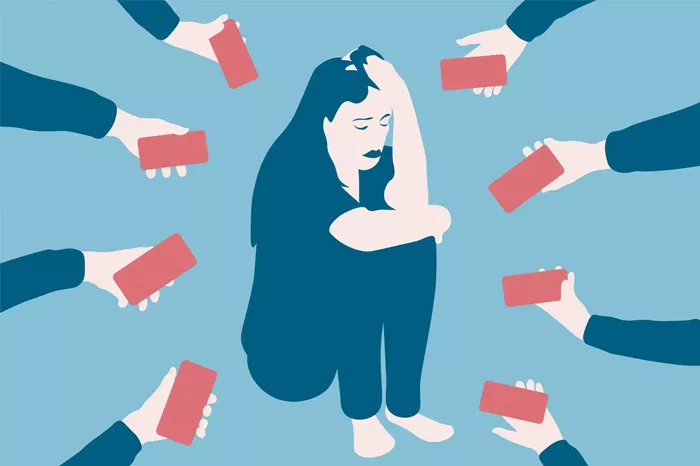
Social media exposes users—especially young people—to distressing content like violence, cyberbullying, and self-harm discussions. Unlike traditional media, this exposure is constant, personal, and unfiltered, which can harm mental health.
Secondary trauma happens when people feel emotional distress by witnessing others’ trauma online. Digital platforms spread disturbing images and stories widely, increasing risks of anxiety, intrusive thoughts, and emotional numbness.
Research shows frequent exposure to graphic content can cause anxiety, depression, sleep problems, and PTSD-like symptoms. The pandemic’s “doomscrolling” worsened this, causing feelings of panic and dread.
Young people, due to brain development and heavy social media use, are most vulnerable. Journalists and first responders also face risks. Personal history and coping skills affect susceptibility.
Repeated exposure disrupts stress response systems, leading to heightened anxiety and emotional difficulties. Algorithms encourage more distressing content, trapping users in a harmful cycle.
Coping Strategies
- Digital detox to reduce screen time
- Mindfulness and therapy to manage emotions
- App tools like screen limits and warnings
- Learning about algorithms to regain control
AI tools and mental health apps may help detect and ease digital trauma. More long-term research and platform responsibility are needed to protect users.
Digital trauma is a serious issue, especially for youth. Combining digital detox, therapy, smart app use, and better policies can create safer, healthier online spaces.
Related topics:
