
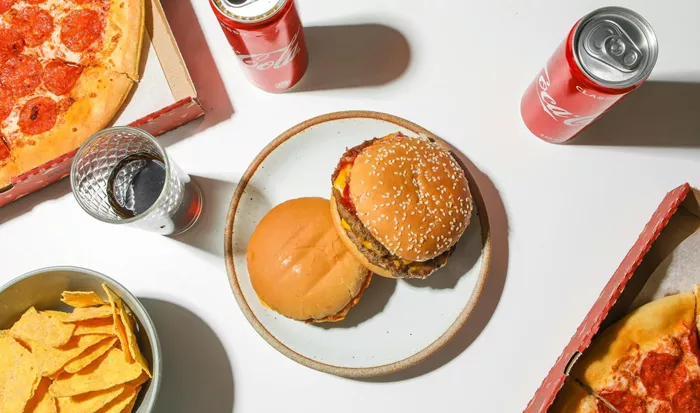
A new Italian study published in the journal Nutrients has found a strong link between diet quality and male fertility. Men who closely followed the Mediterranean diet had significantly better sperm health, while those who consumed more ultra-processed foods (UPFs) were more likely to show lower sperm counts and poor sperm function.
How the Study Was Done
Researchers observed 358 men, aged 18 to 60, who visited a fertility clinic in Italy between 2022 and 2024. Each participant completed two diet surveys: one to measure their adherence to the Mediterranean diet, and another to record their intake of ultra-processed foods.
Semen samples were analyzed for sperm count, shape, movement (motility), and other health markers. The researchers also measured hormone levels such as FSH (follicle-stimulating hormone) and testosterone, which are important for reproductive function.
What the Researchers Found
Men with higher Mediterranean diet scores had better sperm health overall. They had:
- Higher total sperm counts
- Better sperm motility
- Healthier sperm shape and viability
- Lower levels of FSH (a hormone that can rise when testicular function declines)
In contrast, men with diets high in ultra-processed foods—such as packaged snacks, sugary drinks, fast food, and ready-to-eat meals—showed a decline in all key sperm parameters.
These associations remained strong even after accounting for age and body mass index (BMI). Notably, the negative effects of UPFs were most significant in men with normal FSH levels, suggesting that diet plays a more meaningful role when testicular function is still intact.
Why Diet Matters for Sperm Health
The Mediterranean diet is rich in healthy fats, antioxidants, vitamins, and trace minerals—all of which support sperm production and hormonal balance. It includes:
- Fresh fruits and vegetables
- Whole grains
- Legumes and nuts
- Olive oil and fatty fish
In contrast, ultra-processed foods often lack nutrients and are high in added sugars, unhealthy fats, preservatives, and artificial additives. These ingredients can increase inflammation, disrupt hormones, and contribute to poorer reproductive health.
Practical Takeaway for Men
Improving your diet could be a simple and natural way to support fertility—especially for men trying to conceive. Experts recommend:
- Eating more plant-based, minimally processed foods
- Reducing intake of sugary, packaged, and fried foods
- Prioritizing whole meals over convenience snacks
While diet alone can’t fix all causes of infertility, this study shows it may be an important part of the solution, particularly for men with otherwise healthy hormone levels.
Study Limitations and Next Steps
The authors note that the study was observational, meaning it cannot prove cause and effect. Also, diet was measured through a single 24-hour food recall, which may not reflect long-term habits. Hormonal data were only available for part of the study group.
Still, the findings align with other research suggesting diet quality has a direct impact on male reproductive health. Further studies are needed to confirm these results over longer periods and in more diverse populations.
Conclusion
A healthy diet may do more than protect your heart and waistline—it could also improve your chances of becoming a father. The Mediterranean diet, rich in natural nutrients, appears to support sperm quality, while a diet high in ultra-processed foods may have the opposite effect.
For men hoping to optimize their fertility, what’s on the plate might matter more than they think.
Related topics:
