
Male infertility is more common than many people realize. In couples struggling to conceive, male factors play a role in about half of the cases. For some men, the problem is low sperm count, poor sperm quality, or hormonal imbalances. In recent years, a medication called Clomid—originally used to treat female infertility—has become an option for men. In this article, we’ll explain how Clomid works in the male body, why doctors prescribe it, and what men can expect during treatment.
What Is Clomid?
Clomid is the brand name for clomiphene citrate, a drug first used to help women ovulate. It belongs to a group of medications called selective estrogen receptor modulators (SERMs). In women, Clomid helps stimulate the release of eggs. But in men, it works differently—it boosts the body’s natural production of testosterone and improves sperm production.
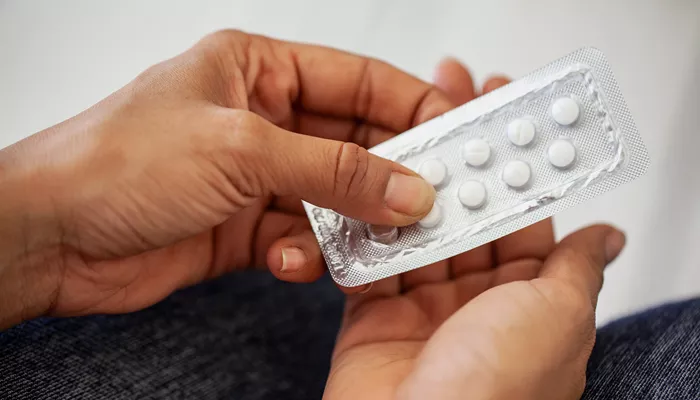
Clomid is taken as a pill, usually once a day or every other day. It is not a hormone replacement but instead encourages the body to produce more of its own hormones.
Why Is Clomid Used for Men?
Clomid helps men who have low testosterone levels, low sperm count, or other hormonal problems. Some men with fertility issues don’t want to use testosterone replacement therapy (TRT) because TRT can shut down sperm production. Clomid offers a safer alternative by stimulating the body’s natural system.
Men who benefit most from Clomid often have:
- Low testosterone levels
- Normal or small testicles
- Low sperm count
Secondary hypogonadism (where the brain doesn’t send the right signals to the testicles)
How Hormones Affect Male Fertility
To understand how Clomid works, we first need to look at how the male reproductive system is controlled by hormones.
The brain controls sperm and testosterone production using two important hormones:
Luteinizing Hormone (LH) – Tells the testicles to make testosterone.
Follicle-Stimulating Hormone (FSH) – Tells the testicles to make sperm.
These hormones are released by the pituitary gland, which responds to signals from the hypothalamus. When testosterone levels are low, the hypothalamus tells the pituitary to release more LH and FSH. When testosterone is high, it slows down hormone production.
Estrogen also plays a role. Men naturally have small amounts of estrogen, but if estrogen gets too high, it can trick the brain into thinking the body has enough testosterone, causing LH and FSH levels to drop.
How Clomid Works in Men
Clomid works by blocking estrogen receptors in the brain. When the brain doesn’t “see” estrogen, it assumes the body needs more testosterone. As a result, it increases LH and FSH levels, which in turn stimulate the testicles to produce more testosterone and sperm.
Summary of Clomid’s Actions:
- Blocks estrogen feedback in the hypothalamus
- Increases LH and FSH
- Boosts natural testosterone production
- Enhances sperm production
This approach restores balance to the male hormonal system without the risks that come with direct testosterone therapy.
Who Should Consider Clomid?
Clomid is not for every man with infertility. Doctors typically recommend it for men who:
- Have low testosterone (under 300 ng/dL)
- Still want to maintain or improve sperm production
- Do not have primary testicular failure
- Have normal pituitary function
- Show no signs of blocked sperm ducts
Clomid may also be used in younger men with fertility issues, especially if they’re not ready for assisted reproductive techniques like IVF.
How Clomid Is Prescribed
Doctors usually start with a low dose, such as 25 mg every other day or daily. Treatment can last from 3 to 6 months or longer depending on the results.
Before Starting Clomid, Doctors May Test:
- Total testosterone
- LH and FSH levels
- Estradiol (estrogen) levels
- Sperm count and motility
- Pituitary function (with imaging if needed)
During treatment, men will be monitored with:
- Blood tests (to check hormone levels)
- Semen analysis (to check sperm count and quality)
- Symptom tracking (libido, energy, mood)
If there’s improvement, treatment may continue. If not, the doctor might adjust the dose or try a different treatment.
Benefits of Clomid for Male Fertility
Many men respond well to Clomid and experience positive changes in their health and fertility. Some of the main benefits include:
1. Increased Testosterone Levels
Clomid stimulates the body to produce more of its own testosterone. This leads to:
- More energy
- Better mood
- Improved sexual function
- Increased muscle mass
2. Improved Sperm Production
Higher FSH levels mean the testicles make more sperm. Some men see higher sperm counts within 2 to 3 months.
3. Avoiding Testicular Shrinkage
Unlike testosterone replacement, Clomid doesn’t suppress the natural hormone cycle. This means testicles stay active and may even increase in size.
4. Fertility Preservation
Since Clomid supports natural hormone production, it does not reduce sperm like testosterone injections do. This is especially helpful for men trying to conceive.
Side Effects of Clomid in Men
Most men tolerate Clomid well, but like all medications, it can cause side effects. Common ones include:
- Mood swings or irritability
- Headaches
- Visual changes (blurred vision, seeing spots)
- Breast tenderness or swelling (due to increased estrogen)
- Acne or oily skin
- Weight gain or water retention
- Increase in libido (occasionally decreased libido)
These side effects are usually mild and go away if the dose is adjusted or the medication is stopped. Always talk to a doctor before stopping Clomid.
Success Rates: What Do Studies Say?
Studies show that Clomid improves testosterone levels in up to 80% of men who use it. Sperm counts also improve in many cases, although it can take several months to see full effects.
However, pregnancy rates vary. Some couples may still need assisted reproductive techniques even if hormone levels improve. But for many men, Clomid offers a good first step toward fatherhood.
Lifestyle Tips to Boost Clomid’s Effects
Taking Clomid is just one part of improving fertility. Men can do several other things to support healthy sperm production:
1. Eat a Balanced Diet
Foods rich in zinc, vitamin D, folate, and antioxidants help hormone and sperm health. Eat leafy greens, fruits, whole grains, lean meat, and fish.
2. Exercise Regularly
Moderate exercise improves testosterone levels and reduces stress. Avoid overtraining, which can lower hormones.
3. Limit Alcohol and Quit Smoking
Alcohol and nicotine can lower testosterone and damage sperm. Cutting back improves overall reproductive health.
4. Avoid Heat Exposure
Hot tubs, saunas, and tight underwear can raise testicle temperature, reducing sperm quality.
5. Manage Stress
Stress affects hormone levels. Try meditation, breathing exercises, or hobbies to relax.
Alternatives to Clomid
If Clomid doesn’t work or isn’t suitable, doctors might suggest:
hCG (human chorionic gonadotropin) – An injectable hormone that mimics LH
Letrozole or Anastrozole – Aromatase inhibitors that reduce estrogen
Gonadotropin injections (FSH + hCG) – Used in more severe hormone problems
Testosterone therapy – Only for men who do not wish to preserve fertility
Sometimes, fertility specialists will combine these treatments depending on the cause of infertility.
Clomid and Long-Term Use
Clomid is generally safe for short-term use. However, some men may take it for over a year under medical supervision. Long-term monitoring is important to avoid side effects, check hormone levels, and ensure the medication continues to work.
If sperm count does not improve after several months, doctors may move on to advanced fertility treatments.
Frequently Asked Questions
1. Can Clomid make me more fertile?
Yes, Clomid can improve hormone levels and increase sperm count, which may help fertility. However, success depends on the underlying cause of infertility.
2. How long does it take for Clomid to work?
It can take 4 to 6 weeks to see changes in testosterone levels and 3 to 6 months for improvements in sperm count.
3. Is Clomid safe for long-term use in men?
Clomid is generally safe for several months to a year, with regular check-ups. Some men use it longer under a doctor’s care.
Conclusion
Clomid offers hope for men facing fertility challenges due to low testosterone or hormonal imbalances. It works by encouraging the body’s own hormone production, helping increase testosterone and sperm count naturally. It’s a simple, non-invasive treatment that can lead to better health and a stronger chance of fatherhood. While not a solution for every case, Clomid is a valuable tool in treating male infertility and should always be used under a doctor’s guidance.
Let Clomid be one part of a larger plan—combined with a healthy lifestyle and expert care—to help couples take steps toward building a family.
Related topics:
