
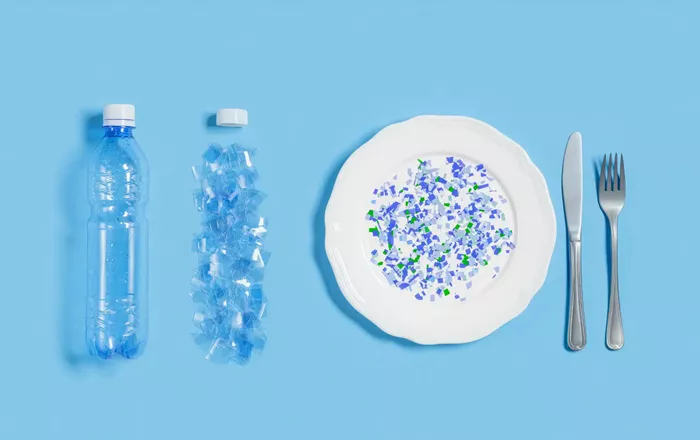
New research suggests microplastics may help explain the link between ultra-processed foods and mental health disorders like depression, anxiety, and poor sleep.
A recent article in Brain Medicine highlights growing concern about how microplastics found in ultra-processed foods (UPFs) may contribute to mental health challenges. As global consumption of UPFs rises, especially in high-income countries, scientists are exploring how both nutritional deficits and chemical contaminants may play a role in the growing burden of mental disorders.
Ultra-Processed Foods and Mental Well-Being
Ultra-processed foods — including sodas, packaged snacks, instant meals, and fast food — are industrially manufactured products often rich in sugar, salt, unhealthy fats, and synthetic additives. Their affordability, convenience, and long shelf life make them popular, but their health consequences are becoming increasingly evident.
According to data referenced in the Brain Medicine article, consuming high amounts of UPFs is linked to:
A 22% higher risk of depression
A 48% greater likelihood of anxiety
A 41% increase in sleep problems
Observational studies consistently associate diets high in UPFs with emotional distress and physical health issues. Meanwhile, diets rich in unprocessed, whole foods — such as the Mediterranean diet — have shown promise in improving mental health in small but rigorous clinical trials.
The Microplastic Factor
Microplastics are tiny plastic particles less than 5 millimeters in size. They can enter the food chain through packaging, processing, and storage methods — especially when plastic containers are used to heat food. Studies show UPFs can contain significantly more microplastics than whole foods. For instance, chicken nuggets may carry up to 30 times more microplastics than unprocessed chicken breast.
These particles don’t just pass through the body. Research now shows that microplastics can accumulate in human tissues, including the brain. A recent study found higher levels of microplastics in brain tissue from people with dementia, though researchers caution that this is a correlation, not proof of causation.
In the brain, microplastics may trigger oxidative stress, neuroinflammation, and nerve cell damage. Laboratory studies show that microplastics can affect the balance of neurotransmitters like glutamate and GABA — both critical for mental stability.
Why It Matters for Your Daily Life
Understanding the connection between microplastics, UPFs, and mental health offers practical insights. Here’s what experts suggest:
Reduce your intake of ultra-processed foods. This includes cutting back on packaged snacks, instant meals, and sugary beverages.
Avoid microwaving food in plastic containers, which can release microplastics and bisphenol A (BPA), another harmful chemical.
Choose fresh, whole foods when possible, such as vegetables, fruits, legumes, whole grains, and unprocessed meats.
Read labels carefully, especially for packaging that suggests microwave use or long shelf life.
Evidence Still Emerging
While the presence of microplastics in the brain is concerning, experts admit that direct evidence linking microplastics to mental illness in humans is still limited. Most of what we know comes from animal and cell studies. Ethical and technical barriers make it difficult to study microplastic exposure in human brains directly.
However, researchers say this does not mean the risk should be ignored. Instead, they call for more rigorous studies that measure microplastic levels in food and track mental health outcomes over time.
A Diet-Based Approach to Mental Health
One promising study — the SMILES trial — tested whether switching to a Mediterranean-style diet could help treat depression. Participants who adopted this diet saw significant improvements, with four times more participants achieving remission compared to those who maintained their usual eating habits.
While this trial didn’t directly measure microplastics, experts believe that replacing processed foods with whole foods may reduce microplastic exposure, potentially benefiting mental and physical health.
What You Can Do Now
Until more is known, taking a preventive approach may be wise. Here are some practical, healthy lifestyle habits to consider:
- Eat less from a package: The fewer steps between the farm and your plate, the better.
- Cook fresh meals at home using ceramic, glass, or stainless steel cookware.
- Limit single-use plastics in your kitchen, especially when storing or reheating food.
- Support public policies aimed at reducing plastic pollution and promoting whole-food diets.
Conclusion
As research into microplastics and their impact on human health continues, what’s clear is that diet matters — not just for your body, but for your brain. By choosing minimally processed foods and reducing plastic exposure, you can support both your mental well-being and long-term health.
Related topics:
