
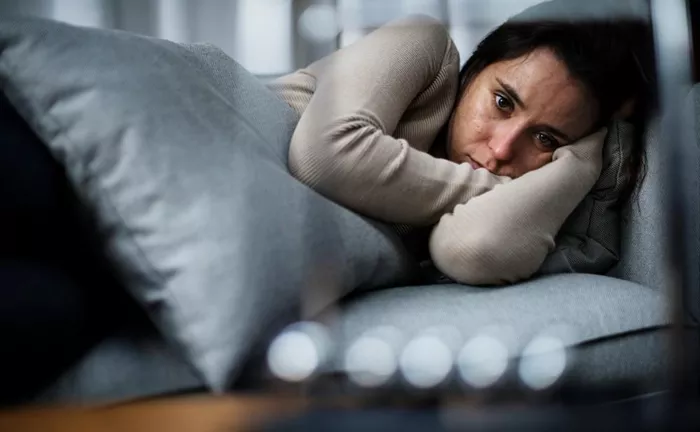
Anxiety is a natural response to stress. It helps us stay alert and focused. But when anxiety becomes overwhelming and persistent, it can interfere with daily life. This is known as debilitating anxiety. It can make simple tasks feel impossible and affect your relationships, work, and overall well-being.
In this article, we will explore what debilitating anxiety is, its symptoms, causes, and how to manage it. We will also provide self-assessment tools and professional advice to help you understand and cope with anxiety.
Understanding Debilitating Anxiety
What Is Debilitating Anxiety?
Debilitating anxiety refers to intense and chronic feelings of fear, worry, or unease that interfere with daily activities. Unlike normal anxiety, which is temporary and situational, debilitating anxiety is persistent and can occur without a clear trigger.
Common types of anxiety disorders include:
- Generalized Anxiety Disorder (GAD): Excessive worry about various aspects of life.
- Panic Disorder: Recurrent panic attacks and fear of future attacks.
- Social Anxiety Disorder: Intense fear of social situations.
- Specific Phobias: Extreme fear of specific objects or situations.
Symptoms of Debilitating Anxiety
Symptoms can vary but often include:
- Persistent worry or fear
- Restlessness or feeling on edge
- Fatigue
- Difficulty concentrating
- Irritability
- Muscle tension
- Sleep disturbances
Physical symptoms may also occur, such as rapid heartbeat, sweating, trembling, and gastrointestinal issues.
Causes and Risk Factors
Several factors can contribute to the development of anxiety disorders:
- Genetics: Family history of anxiety or other mental health disorders.
- Brain Chemistry: Imbalances in neurotransmitters like serotonin and dopamine.
- Personality: Traits such as shyness or perfectionism.
- Life Events: Trauma, abuse, or significant life changes.
- Medical Conditions: Chronic illnesses or other mental health disorders.
Self-Assessment Tools
If you suspect you have an anxiety disorder, self-assessment tools can help you understand your symptoms. These tools are not diagnostic but can guide you in seeking professional help.
GAD-7 (Generalized Anxiety Disorder 7-item)
The GAD-7 is a widely used screening tool that assesses the severity of anxiety symptoms over the past two weeks. It consists of seven questions, each scored from 0 (not at all) to 3 (nearly every day). A higher total score indicates more severe anxiety.
You can take the GAD-7 test online at Mental Health America.
Remember, these tools are for informational purposes and should not replace professional evaluation.
Professional Treatment Options
If anxiety is affecting your daily life, seeking professional help is crucial. Treatment options include therapy, medication, or a combination of both.
Cognitive Behavioral Therapy (CBT)
CBT is a highly effective treatment for anxiety disorders. It focuses on identifying and changing negative thought patterns and behaviors. CBT helps individuals develop coping strategies and problem-solving skills.
CBT techniques include:
- Cognitive Restructuring: Challenging and modifying negative thoughts.
- Exposure Therapy: Gradually facing feared situations to reduce avoidance.
- Relaxation Techniques: Deep breathing, progressive muscle relaxation, and mindfulness.
Medication
In some cases, medication may be prescribed to manage anxiety symptoms. Common medications include:
- Selective Serotonin Reuptake Inhibitors (SSRIs): Such as fluoxetine and sertraline.
- Serotonin-Norepinephrine Reuptake Inhibitors (SNRIs): Such as venlafaxine.
- Benzodiazepines: For short-term relief; used cautiously due to potential for dependence.
Medication should be prescribed and monitored by a healthcare professional.
Other Therapies
Additional therapeutic approaches include:
- Acceptance and Commitment Therapy (ACT): Encourages accepting thoughts and feelings rather than fighting them.
- Mindfulness-Based Stress Reduction (MBSR): Combines mindfulness meditation and yoga.
- Group Therapy: Provides support and shared experiences.
Self-Help Strategies
In addition to professional treatment, self-help strategies can aid in managing anxiety.
Relaxation Techniques
Practicing relaxation techniques can reduce stress and anxiety:
- Deep Breathing: Inhale slowly through the nose, hold, and exhale through the mouth.
- Progressive Muscle Relaxation: Tense and relax each muscle group.
- Mindfulness Meditation: Focus on the present moment without judgment.
Physical Activity
Regular exercise releases endorphins, which improve mood and reduce anxiety. Activities such as walking, running, swimming, or yoga are beneficial.
Healthy Lifestyle
Maintaining a healthy lifestyle supports mental well-being:
- Sleep: Aim for 7-9 hours of quality sleep per night.
- Nutrition: Eat a balanced diet rich in fruits, vegetables, whole grains, and lean proteins.
- Avoid Stimulants: Limit caffeine and alcohol intake.
Social Support
Connecting with others can provide emotional support and reduce feelings of isolation. Talk to friends, family, or join support groups.
Time Management
Organizing tasks and setting realistic goals can reduce stress. Break tasks into manageable steps and prioritize activities.
Journaling
Writing about your thoughts and feelings can help process emotions and identify patterns.
Grounding Techniques
Grounding techniques help bring focus to the present moment. The 5-4-3-2-1 technique involves identifying:
- 5 things you can see
- 4 things you can touch
- 3 things you can hear
- 2 things you can smell
- 1 thing you can taste
This method can reduce anxiety and prevent panic attacks.
When to Seek Help
It’s important to seek professional help if:
- Anxiety interferes with daily activities
- Symptoms persist for six months or more
- You experience panic attacks
- You have thoughts of self-harm or suicide
Early intervention can improve outcomes and quality of life.
Conclusion
Debilitating anxiety is a serious condition that can impact every aspect of life. Understanding the symptoms, causes, and treatment options is the first step toward recovery. With the right support and strategies, it’s possible to manage anxiety and lead a fulfilling life.
Remember, you’re not alone, and help is available. Reach out to a mental health professional to discuss your concerns and explore treatment options.
Related topics:
